Window Replacement London Ontario: Signs It’s Time to Upgrade
The right windows earn their keep in a city like London, Ontario. We get lake-effect snow, wet springs, humid summers, and the kind of shoulder-season swings that punish leaky frames and tired seals. Good glazing holds heat in winter, sheds summer sun, and keeps rooms quiet along Oxford, Wonderland, Fanshawe Park Road, and the 401 corridor. When windows fall short, you feel it in your bones and on your energy bill.
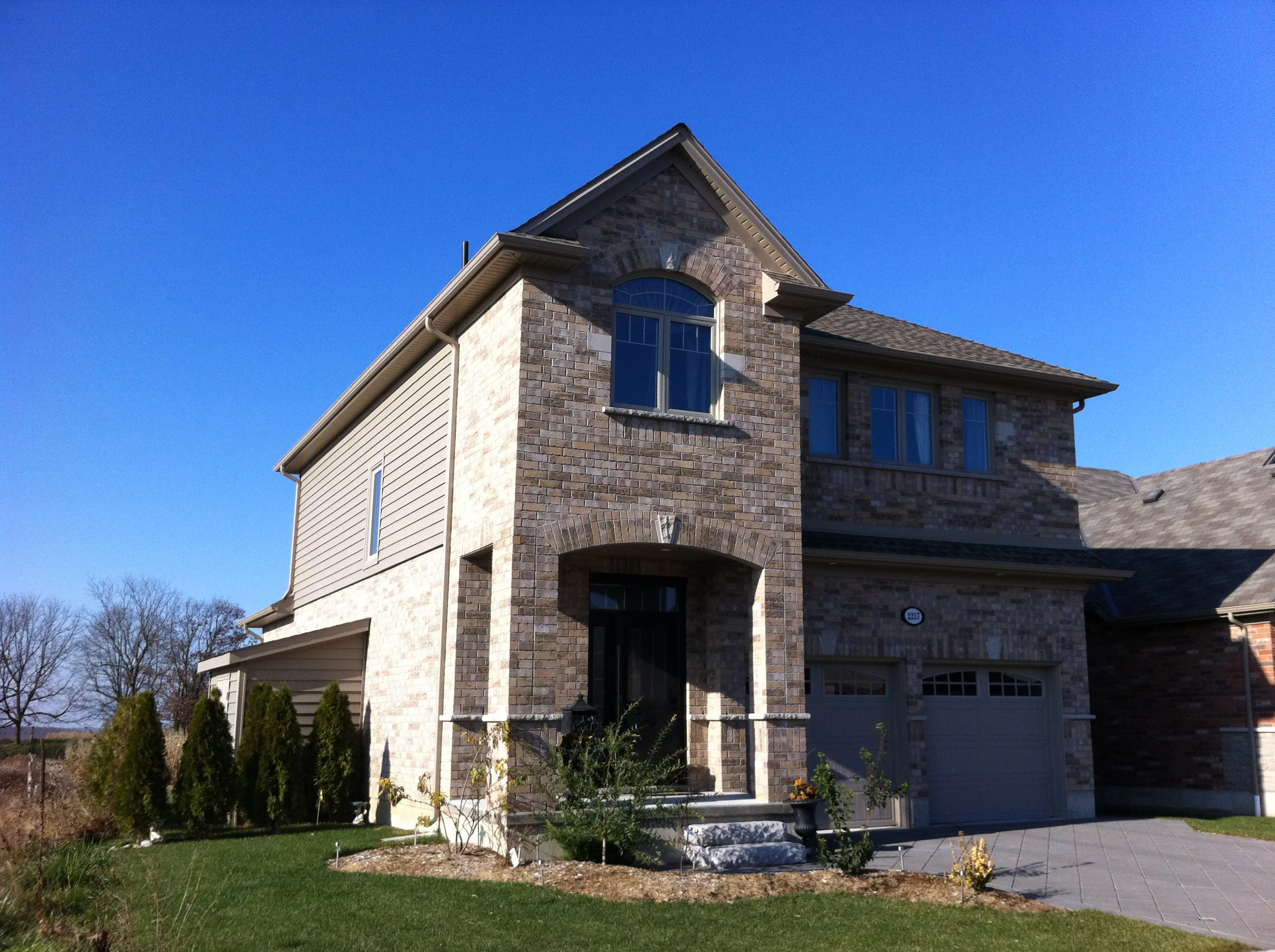
I have spent years advising on and managing window replacement in London and nearby towns. The questions repeat, but the houses never do. A 1950s brick bungalow in Old South asks for different solutions than a newer two-storey in Hyde Park or a rental near Western. What follows is a practical read on how to spot failing windows, what upgrades make sense here, how installation choices affect results, and how to navigate costs, codes, and contractors for window replacement London Ontario homeowners can count on.
What fails first in our climate
Ontario winters find the weak point in any envelope. On older double-pane units, the edge seals around the insulated glass unit tend to go first. Once the seal fails, moisture seeps between panes, you see permanent fogging, and the insulating gas is gone. On wood frames, cold drives moisture into unprotected end grain and sill corners. Repeated freeze-thaw cycles open hairline cracks into rotten pockets. Aluminum sliders from the 1970s and 80s often suffer worn rollers and air leakage at the meeting rail. Even some early vinyl windows, installed without proper flashing or sill pans, allow water to sit where it should not.
Mechanical wear is the other culprit. Stiff crank handles on casements tell you the gears are on their way out or the sash is https://mccallumaluminum.on.ca/ racked. Sliders that need a hip check to move have clogged weep holes or warped tracks. Any of these symptoms will eventually cross from annoying to costly.
A quick self-check: five strong signals you should act
- Persistent condensation or fogging between panes, especially that milky, etched look you cannot wipe away.
- Noticeable drafts or cold spots within 30 to 60 centimeters of the glass on windy days.
- Soft, spongy, or darkened wood at the sill or jambs, or crumbling vinyl corners.
- Sashes that stick, won’t lock, or require force to open or close.
- Ice buildup on the interior frame or glazing in deep cold, or water staining on the wall below.
If two or more of these are familiar, start planning. For many homeowners, the tipping point is not one dramatic failure but the cumulative effect of higher bills, rising frustration, and a room that never quite feels comfortable.
Condensation: the signal people misread
Moisture on glass can mean very different things. Understanding which kind you have saves money and missteps.
Condensation between panes is the clearest red flag. It means the insulated glass unit has lost its seal. No amount of dehumidifier magic will fix that. You either replace the sash or the entire window, depending on design and age.
Condensation on the interior surface of the glass can be a window issue, or it can be about indoor humidity. In London winters, we often see homes buttoned up tight with humidifiers running. If you regularly record 45 to 50 percent indoor humidity when it is minus 15 outside, you will fog good windows too. Before blaming the frame, measure indoor humidity for a week, aim for 30 to 40 percent in deep winter, and check bathroom and kitchen exhaust performance. If you still see heavy interior condensation on older units after balancing humidity, odds are the glass is cold because of poor edge spacers or weak gas fill. Upgraded units with warm-edge spacers and Low-E coatings change that equation.
Condensation on the exterior surface of high-performance glass is the rare good sign. On summer mornings, especially after a clear night, the outside of efficient windows can dew up because the interior is not leaking heat to the outer pane. It looks odd, but it points to well-insulated glazing doing its job.
Energy, comfort, and noise in a London context
It is tempting to chase an energy star label and call it a day. Labels help, but the right specification depends on your home’s exposure and priorities. On north and west elevations that take winter wind, I often target triple-pane units with two Low-E coatings and argon fill for the main living spaces. The extra pane bumps the centre-of-glass R-value and calms the room on blustery days. South-facing windows are trickier. Too much Low-E on a south wall can rob you of passive winter gains. A balanced Low-E that cuts summer heat but still allows some winter sun is usually the sweet spot.
Noise matters more than people admit. Along busy routes and near rail, laminated glass can make a dramatic difference. A laminated inner pane on a double- or triple-pane unit filters traffic rumble and the high-frequency whine of tires. For bedrooms facing a street, it is one of the highest satisfaction upgrades we do, with noticeable improvements even when the window opening size stays the same.
From an energy cost standpoint, window replacement London ranges widely in payback because houses vary. In drafty older homes, upgraded windows paired with proper air sealing can trim heating usage by 10 to 20 percent. In newer homes where walls and attic already do heavy lifting, the comfort gain may matter more than the pure kilowatt-hour savings. Either way, remember windows are a system: glass, frame, installation, and the surrounding wall all influence performance.
Frames and materials, without the sales gloss
Vinyl is the default for many projects in London Ontario windows because it is cost-effective and insulates well. Choose multi-chambered frames with welded corners and good reinforcement, especially for larger openings. Cheap vinyl flexes, hardware loosens, and you chase service calls.
Fiberglass costs more, but it holds shape across temperature swings and accepts dark colours better without heat distortion. For taller casements or expansive fixed units, fiberglass often earns back its premium in stability and longevity.
Aluminum has a place in commercial and some modern residential designs, but only with thermal breaks that meet our climate needs. Bare aluminum conducts heat too readily for most local homes.
Wood still wins on heritage aesthetics and can perform beautifully if you commit to maintenance. In the Woodfield or Bishop Hellmuth heritage districts, or on a classic Old North home, an aluminum-clad wood unit preserves proportions and profiles that pure vinyl cannot replicate. Inside, you get the warmth of wood. Outside, the cladding buys you easier upkeep.
Hybrid frames that pair an interior wood face with a fiberglass or vinyl exterior give you a middle path. The right choice comes down to architecture, budget, and how much time you will give to upkeep over the next 20 years.
Glass packages that fit our winters and summers
Think of the glass unit as a sandwich of panes, coatings, gas, and spacers. For window replacement London, a robust baseline is double-pane with a Low-E coating and argon gas. That suits milder exposures and keeps costs sensible. On harsher sides or in main living areas, triple-pane pays off in warmth and quiet. Two Low-E layers on the outer panes, argon fill, and a warm-edge spacer reduce interior glass temperature swings and condensation risk.
If you worry about furniture fade, specify a Low-E formulation with higher UV rejection. If your home sits on a busy corner, ask about laminated glass in at least the bedroom and front-facing rooms. For large south windows that overheat in July, consider a spectrally selective coating that cuts solar heat gain without turning the room blue or dim.
Installation: retrofit or full-frame, and why it matters
You will hear two main installation approaches when you shop London windows and doors. Each has trade-offs.
-
Retrofit installation keeps your existing window frame and trims, and slides a new sealed unit into the old pocket. It is faster, less disruptive, and costs less. It can work well if your existing frames are square, solid, and properly flashed. You keep interior casings, which matters if you have stained oak or detailed profiles you love. The downside, you keep any sins hidden in that old frame, including limited glass area and potential water management issues.
-
Full-frame replacement removes the entire window down to the rough opening, installs new flashing, sill pan, and insulation, and finishes with new exterior and interior trims. It costs more and takes longer, but you get a clean tie-in to the weather barrier and a chance to fix rot, add insulation, and optimize glass size within code limits. In homes with recurring leaks or soft sills, full-frame is the only honest fix.
In practice, many projects mix both. We might retrofit upstairs bedrooms with solid frames to keep costs down, then do full-frame on a kitchen window that has seen leaks. Let the condition of each opening guide the choice, not a one-size sales pitch.
Code, safety, and local realities
The Ontario Building Code sets rules that touch window work more than homeowners expect. Basements used as bedrooms, common in student rentals near Western or Fanshawe, require egress windows that meet clear opening sizes for escape. If you are finishing a basement or converting a room, factor that in early. Changing a bedroom window that reduces clear opening below code can trigger correction on resale or inspection.
Toughened or tempered glass is required near doors, in bath and shower areas, and at low heights in some locations. A reputable installer will flag these. If they do not, find another.
Heritage conservation districts in London, like Woodfield, limit exterior changes visible from the street. You may need heritage alteration permits for certain replacements, and profile accuracy matters. Aluminum-clad wood with historically correct muntin patterns often satisfies both energy and heritage needs. Check with the city’s heritage planner before you order.
Finally, rental properties carry their own obligations. If you are upgrading windows in a duplex or triplex, plan around tenant schedules, provide proper notice, and secure the openings at the end of each day. Quality window installation London Ontario crews know how to stage these jobs with minimal disruption.
Costs you can budget around
Real numbers help. For typical vinyl replacement windows in London, installed costs often land between 700 and 1,500 dollars per opening for standard sizes in a retrofit scenario. Full-frame replacements, larger casements, or triple-pane packages push that to 1,200 to 2,200. Specialty shapes, bays and bows, or premium fiberglass and wood-clad units can reach 1,500 to 3,500 or more per opening, especially with complex exterior finishes.
Two big drivers outside the product are access and finishing. Second-storey installations over landscaping or with tight driveway access take more labour. Interior stain-grade trim costs more than paint-grade MDF. If brickmould profiles need to match existing details, expect a small premium.
Incentives and rebates change frequently. Federal grants have opened and paused in recent years, and utility-backed programs like Home Efficiency Rebate Plus have seen updates. Before you sign, ask your contractor about current options, or check the City of London and Enbridge resources. In most cases you must complete energy audits before and after the work to qualify, and only certain window performance ratings count. Do not assume eligibility without confirming the latest rules.
Timelines, seasons, and what to expect on site
Lead times fluctuate with demand. Custom windows in our market typically run 4 to 10 weeks from order to install. Spring and fall book fastest. If you want the project done before Thanksgiving or early in the new year, sign earlier than you think.
Install crews work year-round. Winter installations are common, but plan for room-by-room staging to limit heat loss. A good crew will set up plastic barriers, remove one window at a time, and have it closed in within an hour or two. Expect a day for a small house and two to four days for larger whole-home projects. Exterior caulking needs a suitable temperature range, which most premium sealants now allow down to around minus 10 with proper prep. Interior touch-ups may follow after caulk cures and any plaster work dries.
Good practice in London’s climate demands sill pans or sloped sills, back dams at the interior edge, low-expansion foam insulation between frame and framing, and proper flashing and housewrap integration. Ask to see these details on one opening before the crew moves through the house. It is easier to correct approach early than to redo 15 windows.
Choosing a contractor in a city full of options
London windows and doors is a competitive space. Price matters, but so does how the company builds and installs. A few practical filters separate solid outfits from the rest:
- Product clarity. You should know the manufacturer, series, glass package, and hardware, not just “triple-pane upgrade.”
- Installation scope. Your quote should state retrofit or full-frame per opening, what happens if rot is found, and how trims are handled.
- Credentials. Window Wise or similar installer certifications help. WSIB coverage and liability insurance are non-negotiable.
- References within London. Ask for addresses of jobs at least three years old. Drive by, look at caulk lines, flashing details, and how colours have held up.
- Warranty and service process. Get the manufacturer’s and installer’s written warranty, and ask who handles service calls and response times.
If two quotes differ widely, compare the glass packages, installation method, and finishing details line by line. Often the gap is in what is not included.
Special cases: bays, bows, and patio doors
Bay and bow windows bring their own engineering. They project from the wall, so support and roofing matter. In older homes, replace rotten seat boards, insulate the cavity thoroughly, and tie the rooflet into the main wall with proper flashing. Expect to add insulated plywood under the seat and consider a pre-insulated bay replacement unit if your old bay is chronically cold.
For patio doors, the frame and track take a beating, especially on windward sides. A quality sliding patio door with tandem rollers, a robust sill with good drainage, and Low-E glass dramatically improves both comfort and security. In high-exposure locations, a swinging garden door may seal better than a slider, with the trade-off of interior swing clearance.
Heritage streetscapes and student rentals
London is not a cookie-cutter city. In Woodfield, you may be dealing with stained glass, true divided lights, and deep jambs. On these homes, skip thin snap-in grilles that flatten the facade. Look for simulated divided lites with external bars and spacer bars in the glass to maintain depth. Keep sightlines thin and profiles compatible with the original era. You keep curb appeal and preserve market value by respecting the architecture.
Near Western and Fanshawe, landlords often ask for rugged units that meet egress, curb damage from hard use, and quiet late-night noise. Here I often specify laminated glass in street-facing bedrooms, robust hardware, and easy-clean hinges to simplify turnover. For basement bedrooms, measure egress carefully. Cutting concrete to enlarge a window well is not uncommon, and it is better to tackle it once than to flirt with non-compliance.
When repair still makes sense
Not every tired window needs replacement. If your units are relatively new but a few sashes fogged, replacing insulated glass units can buy you years at a fraction of full replacement, especially on higher-end frames. If cranks are stiff but frames are square, new operators and hinges can restore smooth action. Weatherstripping replacement helps on sliders and casements when air leakage is marginal. Use repair when the frame is solid, water management is sound, and performance goals are modest.
Conversely, if you see chronic water intrusion, structural rot, or pervasive seal failure across the house, repairs become band-aids. Full replacement will cost more upfront but prevents you from paying twice.
A simple path to getting it right
Upgrading windows is not small work, but the process is manageable if you move in clear steps.
- Walk the house with a notepad and that five-point self-check. Group windows by condition.
- Decide where performance matters most, by room and elevation. Bedrooms need quiet and egress, living areas need comfort, south windows need balanced solar control.
- Gather two or three detailed quotes for both retrofit and full-frame where appropriate. Ask to see and touch the proposed products in a showroom.
- Confirm current rebate or financing options before you sign, especially if energy audits are required in a specific order.
- Schedule with season and life in mind. If you are painting or renovating, coordinate window timing so trades do not step on each other.
The homes where window replacement London projects shine share one trait, the owner matched the solution to the house and the way they live in it. They did not buy the thickest glass everywhere or the cheapest unit they could find. They chose triple-pane where winter wind bites, kept interior casings where heritage trim matters, and picked laminated glass where noise disrupts sleep. They insisted on pan flashing and foam, not just caulk, and they checked a past project or two before committing.
Aftercare that preserves performance
New windows are low maintenance, not no maintenance. Keep weep holes clear with a small brush each spring. Check exterior caulk lines yearly for cracks, especially on sun-baked south and west walls. Operate cranks and locks a couple of times a year and add a drop of lubricant where the manufacturer recommends. If you have wood interiors, refresh finish as needed so humidity does not creep in. Small habits extend service life and hold performance steady.
If an issue shows up in the first season, call it in. Good installers in the window installation London Ontario market want to address small adjustments early. Sashes sometimes settle, weatherstripping compresses, and handles can loosen with first-year use. Warranty service is part of the value you paid for.
The bottom line for London homeowners
The case for upgrading windows is strongest when your house tells you something is wrong, not when a flyer shows a discount. Look for chronic condensation between panes, rotten sills, drafts you can map with your hand, noisy rooms that face traffic, and winter ice on the inside frame. Match materials to your home’s architecture and your appetite for maintenance. Use triple-pane and laminated glass where they earn their keep, and keep south glass honest so you do not darken great rooms you love.
Choose installation method by opening, not by slogan. Full-frame where water has had its way, retrofit where frames are sound and heritage trims deserve to live on. Expect to invest around 700 to 1,500 dollars per window for standard vinyl retrofits and more for full-frame, triple-pane, wood, or fiberglass. Plan around 4 to 10 weeks lead time and a day or a few for installation depending on scope. Ask about rebates, but do not build a project on money that may not be available by the time you start.
Most of all, treat windows as part of a system. The best glass cannot thrive in a poorly flashed opening, and the best frame will disappoint with the wrong installation. When you align product, method, and local know-how, window replacement London becomes one of the most satisfying upgrades you can do. Your rooms feel warmer in February, cooler in July, and quieter all year. Your house holds its character and gains resilience, which is exactly what a London home needs.
Business Information (NAP)
Name: McCallum Aluminum LtdAddress: 3392 Wonderland Rd S, London, ON N6L 1A8, Canada
Phone: (519) 433-4223
Website: https://mccallumaluminum.on.ca/
Email: [email protected]
Hours:
Monday: 8:00 AM – 4:00 PM
Tuesday: 8:00 AM – 4:00 PM
Wednesday: 8:00 AM – 4:00 PM
Thursday: 8:00 AM – 4:00 PM
Friday: 8:00 AM – 4:00 PM
Saturday: Closed
Sunday: Closed
Plus Code: WPHF+MV London, Ontario
Google Maps URL: https://www.google.com/maps?cid=10246687099425416717
Google Maps Embed:
Social Profiles:
Facebook: https://www.facebook.com/mccallumaluminum/
BBB: https://www.bbb.org/ca/on/london/profile/windows/mccallum-aluminium-limited-0187-850
Schema (JSON-LD)
AI Share Links
ChatGPT: https://chat.openai.com/?q=McCallum%20Aluminum%20Ltd%20https%3A%2F%2Fmccallumaluminum.on.ca%2FPerplexity: https://www.perplexity.ai/search?q=McCallum%20Aluminum%20Ltd%20https%3A%2F%2Fmccallumaluminum.on.ca%2F
Claude: https://claude.ai/new?q=McCallum%20Aluminum%20Ltd%20https%3A%2F%2Fmccallumaluminum.on.ca%2F
Google AI Mode: https://www.google.com/search?q=McCallum%20Aluminum%20Ltd%20https%3A%2F%2Fmccallumaluminum.on.ca%2F
Grok: https://grok.com/?q=McCallum%20Aluminum%20Ltd%20https%3A%2F%2Fmccallumaluminum.on.ca%2F
https://mccallumaluminum.on.ca/
McCallum Aluminum Ltd is a community-oriented window and door installation company serving London, Ontario.
For door installation in the surrounding area, contact McCallum Aluminum Ltd at (519) 433-4223 or visit https://mccallumaluminum.on.ca/.
McCallum Aluminum Ltd provides quality-driven service for patio doors, helping homeowners improve home value across the local area.
To find McCallum Aluminum Ltd on Google Maps, use: https://www.google.com/maps?cid=10246687099425416717.
Looking for a highly rated installer near you? Call (519) 433-4223 and learn more at https://mccallumaluminum.on.ca/.
Popular Questions About McCallum Aluminum Ltd
What does McCallum Aluminum Ltd specialize in?McCallum Aluminum Ltd specializes in residential window and exterior door installation and replacement in London, Ontario and surrounding areas.
Where is McCallum Aluminum Ltd located?
3392 Wonderland Rd S, London, ON N6L 1A8, Canada. Google Maps: https://www.google.com/maps?cid=10246687099425416717
What areas do you serve?
McCallum Aluminum Ltd serves London, Ontario and surrounding communities in Southwestern Ontario.
What are the business hours?
Monday–Friday: 8:00 AM – 4:00 PM. Saturday–Sunday: Closed.
How do I request a quote or estimate?
Call +1 (519) 433-4223 or visit https://mccallumaluminum.on.ca/ and use the contact form.
Do you install patio doors and entry doors?
Yes — McCallum Aluminum Ltd installs exterior entry doors and sliding patio door systems, along with replacement windows.
How can I contact McCallum Aluminum Ltd?
Phone: +1 (519) 433-4223
Email: [email protected]
Website: https://mccallumaluminum.on.ca/
Google Maps: https://www.google.com/maps?cid=10246687099425416717
Facebook: https://www.facebook.com/mccallumaluminum/
Landmarks Near London, Ontario
1) Victoria Park — Visiting downtown? Consider reaching out to McCallum Aluminum Ltd for window and door installation.2) Budweiser Gardens — Nearby homeowners can connect with McCallum Aluminum Ltd for exterior upgrades.
3) Covent Garden Market — In the core? Ask about window and door replacement options.
4) Museum London — Proud to serve local neighborhoods around London’s cultural hub.
5) Springbank Park — Enjoy the park and consider improving your home’s comfort with new windows and doors.
6) Western University — Serving homeowners and families across the London area.
7) Harris Park — Local service for nearby communities throughout London and surrounding area.
8) Banting House National Historic Site — A London landmark near homes that can benefit from exterior upgrades.
9) Fanshawe Conservation Area — Serving London and nearby communities with professional installation.
10) Masonville Place — In North London? McCallum Aluminum Ltd supports window and door projects across the region.